When every song needs to “fit your brand” and needs to meet a high, sometimes impossible standard. As you narrow down your artistic vision to meet those expectations, you can start to feel trapped in a genre, and eventually you may even stop exploring new ideas altogether.
That’s what happened to me as a solo artist and this is the story of how shifting my focus toward collaboration and helping other musicians changed my perspective, and helped me loosen the pressure and isolation I’d built around making my own music.
How Making Your Own Music Can Lead to Artist Burnout
For a long time, I thought my next step as a musician was clear: make my own music, release it, and keep building from there. While I still care about that work, and I’m proud of the EP Through the Mirror, the way I was making music started to feel heavier and heavier on me.
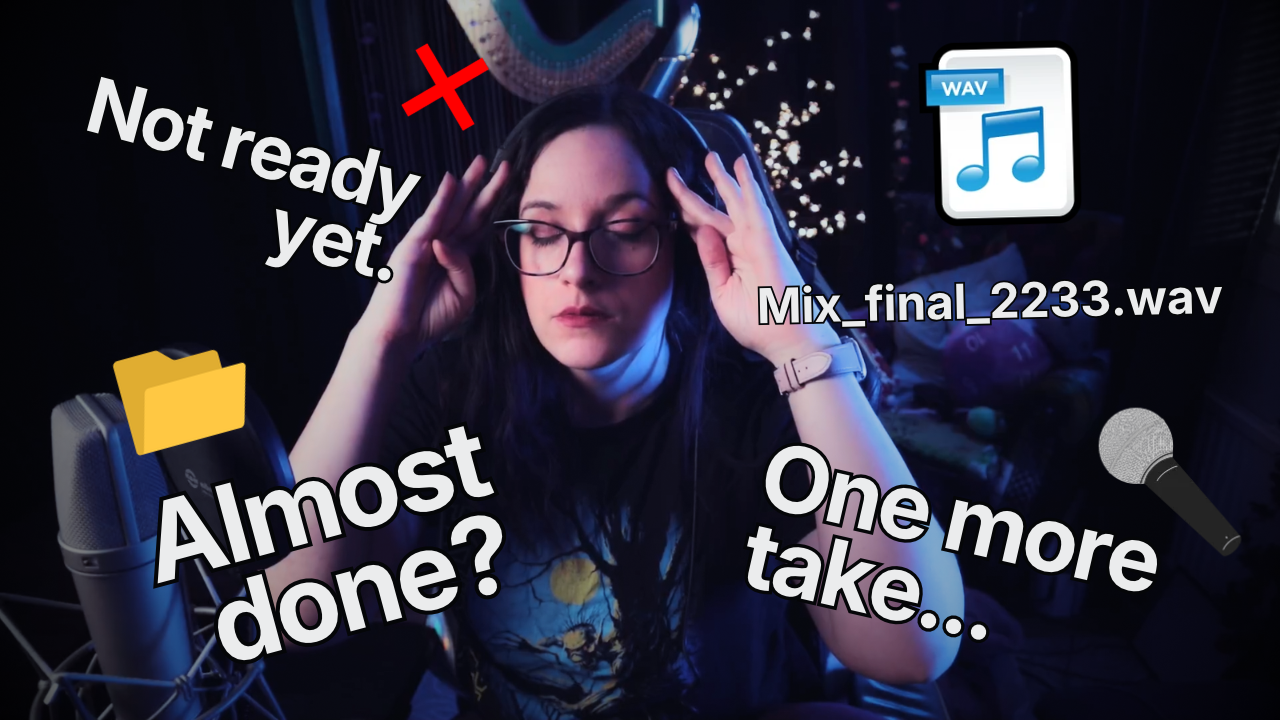
It took me about three years to finish those tracks and even if I’m happy with how they sound, I can’t say I didn’t struggle with the process. I put a lot of pressure on every little decision, and I was really taking the burden of a whole band upon my shoulders. By the time the EP was finished, I’d burned out more than once…
I also felt lonely, because I wanted music to be something I shared with people, and my project had become a constant loop of my music, my music, my music. There’s absolutely value in making art you can really own, but I started to realize that the process itself wasn’t giving me the fulfillment I expected, even though I was happy with the music.
Finding a More Collaborative Way to Make Music
I started thinking about what I wanted my work to include, and there’s a framework called ikigai that asks you to consider what you love, what you’re good at, what you can be paid for, and what the world needs. I found it useful because, when I looked at my music career through those questions, it seemed like one piece or another was always missing.
I love singing and songwriting, and I also love teaching, which I’ve been doing for 15 years now, but making a fully produced artist release meant taking on a lot of work outside the parts I enjoy most, and because I’m not a mixing engineer or a guitar player, I often needed other people and a lot more time and energy to bring the whole thing to life.
When I began exploring vocal samples and electronic music I started to feel this spark of joy for music again: because I was learning new things and keeping the arrangements simpler. I suddenly started enjoying the process again.
I also discovered a community of producers who build music by playing with sounds made by other people, and the idea of playing with sounds like that got me completely hooked. I really liked the collaborative spirit of that, and it made me think: maybe I could make vocals that help someone else finish their music without the pressure of having to make the whole finished track myself?
What Are Vocal Toplines?
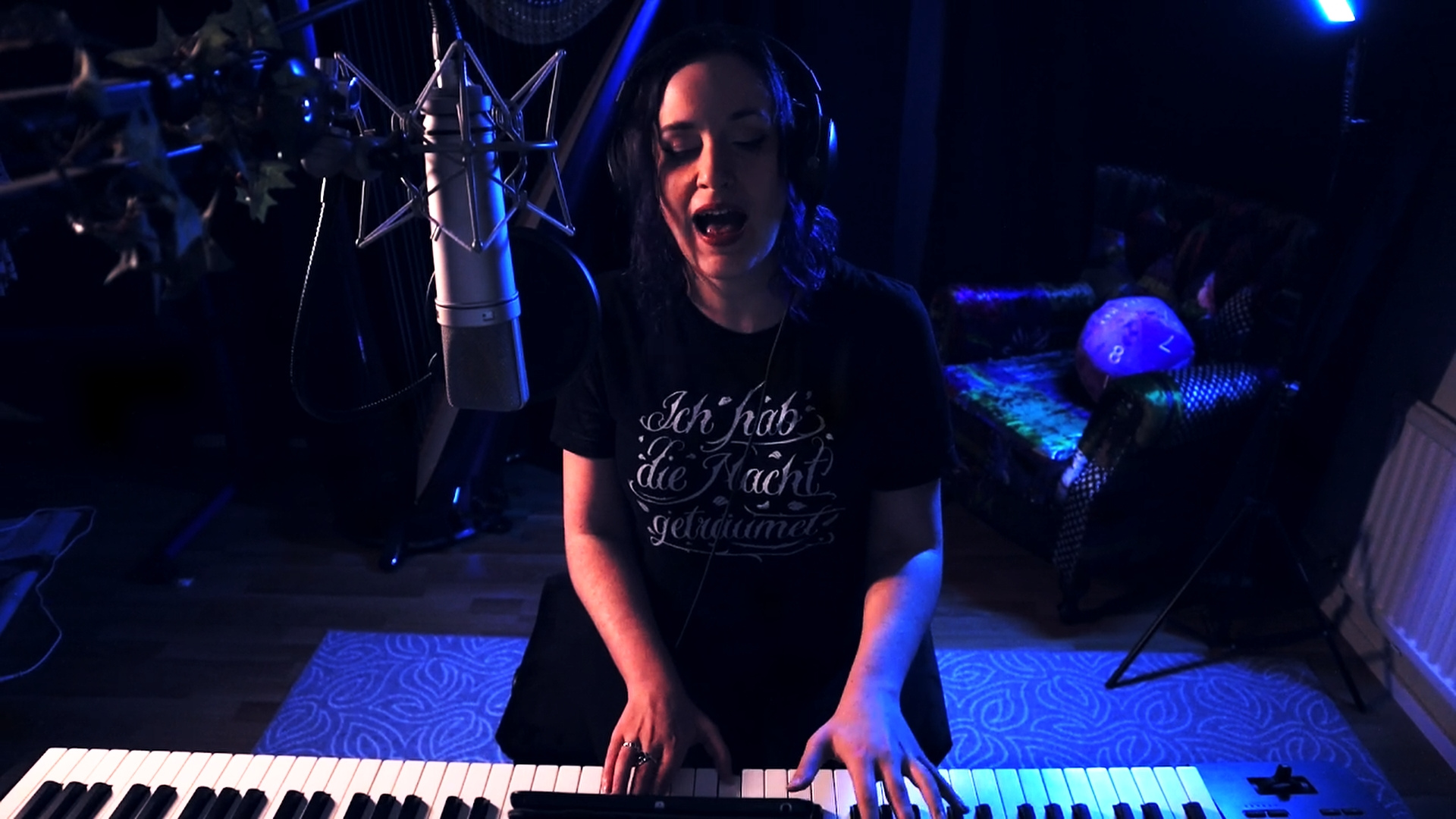
A topline is the vocal part of a song, usually the melody and lyrics, and for me what that looks like is this: I write those lyrics and melodies, record the vocals, and prepare different layers like harmonies, ad-libs, and whispers. Then I package all those parts so a producer can use them to make a track of their own. This gives them a full vocal idea to build their own idea around.
It’s an incredible new way for me to make music in a way that feels collaborative: I can focus on the parts I love and I’m good at while music producers get to take those ideas and build them into their own tracks.
This changes the perspective of making music for listeners to making music for other musicians, and I really quite like the idea that my skills can be useful for another musician.
I’ve been making toplines for a few months now, and I have 19 so far, including one called “Ghost of Me” I recorded just last week.
I’m still figuring out exactly what this catalog will become. For now, though, I’m enjoying the challenge of writing, recording, editing, preparing the files, and putting a whole vocal out into the world within a day or so, because that gives me a way to make and share music without turning every idea into a huge “high stakes” project.
That workflow feels different from making a traditional artist release, because I can explore different themes and sounds without worrying about whether each song fits into my own catalogue. It gives me a type of musical freedom I have never felt before.
Human Vocal Samples for Music Producers
Part of what interests me is making human vocals easier to access, because hiring a vocalist for a custom project can be a big commitment, especially for someone who’s just starting out or making music without a large budget. Custom vocal production can cost several hundreds, and I can only take on a limited number of projects at a time, so I understand why that route isn’t realistic for every track.
Vocal sample libraries offer another option, but many focus on short loops or smaller vocal phrases, while sometimes a producer wants more of a complete song to build from. And when the same samples are used by lots of people, it can also be hard to make a track feel like your own, so I’m interested in making those kinds of starting points available while keeping the human performance and songwriting at the centre.
I still love custom collaborations, but these are just another way to work with vocals when a custom project isn’t practical. A producer can take the parts, change them around, and make something that really feels unique to their own taste, which is really the fun of working with samples in the first place.
Making Music More Sustainably Through Collaboration
This shift brings together more parts of what I enjoy, because I get to sing and write while also helping other musicians make music. I can bring in the teaching side of my work too, whether that means sharing how I approach vocals or helping someone develop their songwriting and production skills, which is something I’ve always loved doing.
I’m not leaving my artist music behind, and I still want to make covers, including rock and metal, as well as release other music in different projects, but I’m changing where I put my focus because I want making music to feel more sustainable and collaborative, and less weighed down by this crippling perfectionism monster that lives in me.
For now, my main goal is to build the topline catalog and get better at the whole process of recording, editing, exporting, and publishing. I’d like to reach 100 products in the store over the next one to two years, and because I know how easily I can take on too much, I’m trying to build this one part at a time instead of burning out again.
I’m also thinking about what this means for Patreon, YouTube, and the rest of my content, though I don’t have all the answers yet. I’d like to share more about the process, and I’m considering whether that might mean behind-the-scenes posts, downloadable vocals, music-making tips, or shorter updates, depending on what feels useful and what I can keep up with.
Finding a More Sustainable Way to Make Music
Maybe you’ve felt that too, where every song has to fit your project or somehow prove you’re moving your career forward. If you have, what might change if you let one song serve a different purpose, or help someone else make something? Or maybe for you it means letting someone else enter your musical world and contribute.
For me, it’s definitely changed my whole perspective of what making music and feeling fulfilled with means.
Happy music-making, (or listening)!
Why Making Your Own Music Keeps You in a Box - Full video update (patreon early-access video)